
The Hidden Health Risks of Furniture Chemicals
Are We Putting Our Hearts at Risk?
ENVIRONMENTALWELLNESSHEALTH
1/20/20267 min read
Understanding Furniture Chemicals
Furniture chemicals encompass a wide array of substances used in the production and treatment of furniture, designed to enhance durability, safety, and aesthetics. Among the most prevalent chemicals found in furniture are formaldehyde, flame retardants, and volatile organic compounds (VOCs). Each of these chemicals serves specific purposes, yet they can also pose significant health risks to individuals exposed to them.
Formaldehyde is a colorless gas that can be emitted from various materials, including particleboard, plywood, and some upholstery fabrics. It is commonly used in the production of adhesives and finishes. While it enhances building material adhesion and durability, formaldehyde exposure has been linked to respiratory issues, skin irritation, and, in severe cases, cancer. The World Health Organization has categorized formaldehyde as a human carcinogen, raising concern for long-term exposure in indoor environments.
Flame retardants, another common class of chemicals, are integrated into furniture to reduce the risk of fire. These compounds, which can be found in foam cushions and upholstery, work by slowing ignition and delaying flame spread. However, their effectiveness is often debated. Studies have shown that certain flame retardants can leach into household dust and have been associated with hormone disruption, reproductive challenges, and neurodevelopmental issues, particularly in children.
VOCs are a group of organic chemicals that can easily vaporize at room temperature. Commonly present in paints, finishes, and adhesives, they contribute to indoor air pollution. While they aid in quicker drying times and enhanced finishing qualities, excessive exposure to VOCs can result in headaches, dizziness, and other adverse health symptoms. Long-term exposure has been linked to serious health conditions, including respiratory diseases.
The presence of these chemicals in furniture raises significant health concerns that merit attention. As such, understanding the implications of furniture chemicals is crucial to making informed choices about home furnishings and ensuring a healthier indoor environment.
The Link Between Furniture Chemicals and Heart Problems
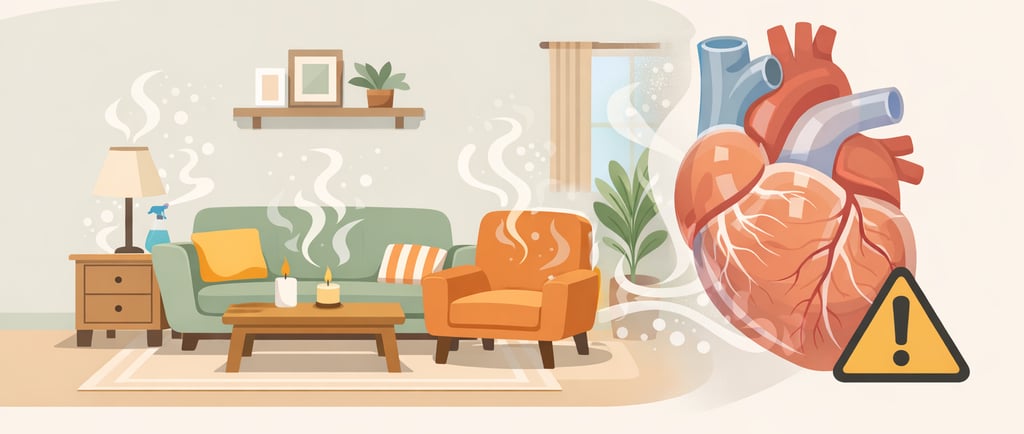
Furniture often contains a variety of chemicals used in the manufacturing and finishing processes. These chemicals, including formaldehyde, flame retardants, and volatile organic compounds (VOCs), have been increasingly scrutinized for their potential health risks, particularly concerning cardiovascular health. Recent studies have shown a compelling connection between exposure to certain furniture chemicals and an increased risk of heart problems.
A study published in the American Journal of Epidemiology indicated that individuals exposed to high levels of formaldehyde, commonly found in pressed wood products, exhibited a significant rise in heart disease risk. Specifically, the research found that long-term exposure to formaldehyde was linked to elevated blood pressure levels, which is a well-known risk factor for heart disease. Furthermore, the research highlighted that individuals living in homes with high VOC levels were more likely to experience adverse cardiovascular effects, including arrhythmias and increased heart failure risk.
Statistics underscore the seriousness of these findings. According to the Centers for Disease Control and Prevention (CDC), heart disease remains the leading cause of death in the United States, with exposure to harmful chemicals contributing to these alarming rates. For instance, an estimated 20% of deaths from heart disease may be attributed to environmental pollutants, including those emitted by household furniture.
Additionally, researchers have discovered that exposure to certain flame retardants found in sofas and mattresses correlates with metabolic syndrome, a cluster of conditions that significantly increases the risk of heart disease. The American Heart Association has recognized this growing body of evidence, advocating for the reduction of harmful chemical exposure in residential settings to protect heart health.
Symptoms of Exposure to Toxic Furniture Chemicals
Exposure to toxic chemicals commonly found in furniture can lead to a myriad of symptoms and long-term health implications, particularly for heart health. Short-term reactions to these chemicals can manifest as respiratory issues, such as cough, wheezing, or difficulty breathing. Individuals may also experience skin irritation or allergic reactions, which can present themselves through redness, swelling, or rashes. These acute symptoms often occur as a result of direct contact with or inhalation of volatile organic compounds (VOCs) emitted from furniture finishes, upholstery, and adhesives.
In addition to these immediate effects, long-term exposure to furniture chemicals presents a more insidious risk to cardiovascular health. Prolonged inhalation of harmful chemicals has been associated with increased incidence of heart disease, hypertension, and other cardiac conditions. Individuals residing in poorly ventilated spaces, frequently exposed to such chemicals, may be more susceptible to these long-lasting cardiovascular impacts. The development of conditions such as chronic obstructive pulmonary disease (COPD) can also indirectly affect heart health, as they complicate the body's ability to maintain optimal oxygen levels.
Recognizing the signs of exposure to toxic furniture chemicals is crucial for early intervention. Common indicators include persistent headaches, chronic fatigue, and unexplained mood changes, all of which may point toward exposure. Those experiencing these symptoms should consider assessing their living environment, including recent purchases of furniture and the materials used in their construction. Engaging in discussions with healthcare professionals about symptoms and potential exposure can be instrumental in mitigating risks associated with toxic furniture chemicals.
Who is at Risk? Vulnerable Populations
Understanding the health risks associated with furniture chemicals is crucial, especially for vulnerable populations. Three groups stand out in this regard: pregnant women, children, and individuals with pre-existing heart conditions. Each of these populations faces unique risks that can have significant long-term health implications.
Pregnant women are particularly susceptible to furniture chemicals, such as volatile organic compounds (VOCs) and flame retardants. Exposure during pregnancy can affect fetal development, leading to potential complications, including low birth weight and developmental delays. Given that the unborn are generally considered more vulnerable due to their developing systems, it is imperative for expecting mothers to be aware of the impact that furniture chemicals may have on their health, as well as their baby's well-being.
Children represent another population that is at heightened risk. Their developing bodies and higher respiratory rates contribute to increased exposure to harmful chemicals often found in furnishings. For instance, studies suggest that prolonged exposure to toxins like phthalates and formaldehyde can lead to adverse effects on cognitive function and physical health. The importance of creating a safe indoor environment free from hazardous furniture chemicals cannot be overstated for this age group.
Additionally, individuals with pre-existing heart conditions might also be negatively impacted by exposure to harmful chemicals found in furniture. Compounds often found in modern upholstered pieces can provoke allergic reactions, exacerbate respiratory issues, and interfere with medication. This group should be particularly vigilant in ensuring their living spaces are free from harmful furniture chemicals, as heightened sensitivity can lead to critical health consequences.
In light of these vulnerabilities, awareness and prevention strategies are essential. Creating a healthy living environment involves making informed choices about furniture materials, asking questions about chemical treatments, and opting for safer alternatives. By understanding the specific risks faced by these populations, proactive measures can be taken to minimize exposure and promote heart health.
How to Choose Safer Furniture Alternatives
When it comes to purchasing furniture, the health implications stemming from chemical exposure are often overlooked. To minimize this risk, it is essential to select furniture that adheres to safer manufacturing practices. One of the first steps in this process is to look for certifications that indicate compliance with health standards. Certifications such as GREENGUARD, Blue Angel, and the Forest Stewardship Council (FSC) are excellent indicators of low emissions and sustainable sourcing. Furthermore, opting for products marked as "low-VOC" (Volatile Organic Compounds) can significantly reduce exposure to harmful chemicals.
In the realm of materials, natural and organic options are generally safer choices compared to synthetic alternatives. For instance, hardwoods from sustainable sources, certified organic textiles, and natural fibers like cotton, wool, or linen are preferable. These materials typically possess fewer harmful chemicals compared to products treated with flame retardants or made from engineered wood, which can release formaldehyde and other toxic substances. Furniture made from treated metals or recycled materials may also be viable options as long as they are responsibly sourced.
Moreover, it's important to be cautious about brands and their practices. Researching brands that prioritize health-conscious manufacturing can lead to better choices. Companies like West Elm, Crate & Barrel, and IKEA have made strides towards more sustainable practices, including the use of non-toxic finishes and sustainable materials. Reading customer reviews and scrutinizing the material composition can further aid in making informed decisions.
Ultimately, becoming an informed consumer when it comes to furniture selection is crucial in reducing your exposure to harmful chemicals. By deliberately choosing certified, natural materials and reputable brands, you can enhance your living space while safeguarding your health and well-being.
Creating a Healthier Indoor Environment
Reducing exposure to harmful furniture chemicals is crucial for maintaining a healthy indoor environment. To start, effective ventilation plays a pivotal role in minimizing the buildup of volatile organic compounds (VOCs) released from various furniture materials. Opening windows to allow for fresh air circulation can significantly dilute and disperse these toxic substances. Moreover, utilizing exhaust fans can further assist in expelling stale air, thus improving the overall air quality within your home.
In addition to natural ventilation, investing in an air purifier equipped with activated carbon filters is a proactive step towards reducing indoor air pollution. These devices are specifically designed to capture and neutralize a wide range of airborne chemicals, including those emitted from furniture. It is advisable to choose an air purifier that matches the size of your living space to ensure optimal performance and air quality improvement.
Regular cleaning routines should also be prioritized to minimize chemical accumulation from furniture and surfaces. Using damp cloths to wipe down surfaces can effectively trap dust and chemical residues that might otherwise remain airborne. Furthermore, selecting non-toxic and environmentally friendly cleaning solutions can further mitigate the introduction of new chemicals into your indoor environment.
Another consideration is the sourcing and selection of furniture items. Choosing furniture manufactured from natural materials, such as solid wood or organic fabrics, can help lower the risk of chemical exposure. Whenever possible, opt for certified products indicating low chemical emissions, such as those marked with Greenguard or similar certifications.
By implementing these strategies, individuals can significantly decrease their exposure to harmful furniture chemicals, fostering a healthier home environment that ultimately supports overall well-being.
Conclusion and Call to Action
As explored throughout this blog post, the health risks associated with furniture chemicals are significant and warrant serious consideration. From volatile organic compounds (VOCs) to flame retardants, these substances can have deleterious effects on our cardiovascular health and overall well-being. Scientific studies have increasingly linked exposure to such chemicals in indoor environments to various health problems, including respiratory issues and cardiovascular diseases. This evidence underscores the importance of making informed choices when it comes to the furniture we bring into our homes.
In light of the potential hazards that these chemicals pose, consumers are encouraged to be vigilant and proactive in selecting furniture that is free from harmful substances. When shopping for new pieces, consider seeking out manufacturers who prioritize safety and transparency, utilizing safer materials and responsible production practices. Look for certifications that indicate reduced chemical exposure, such as Greenguard or the Global Organic Textile Standard (GOTS).
Moreover, it is essential to stay informed about the health risks associated with household items, including furniture. Education is a powerful tool; subscribe to reputable sources, engage in community discussions, and consider advocacy efforts that promote safer regulations in the furniture industry. By voicing concerns and supporting stricter guidelines, we can foster a healthier living environment not just for ourselves but also for future generations.
Remember, our furniture choices can significantly impact our health. By demanding safer options and remaining aware of potential risks, we take a crucial step in protecting our hearts and our families from the hidden dangers present in our own homes.
ThriveSphere.space
Empower your journey to a balanced life.
Connect
Explore
contact@thrivesphere.space
© 2026. All rights reserved.